Monday, 24 November 2014

Indonesia and UNCRC: 25 years of progress and challenges.

A note from an activist-researcher.
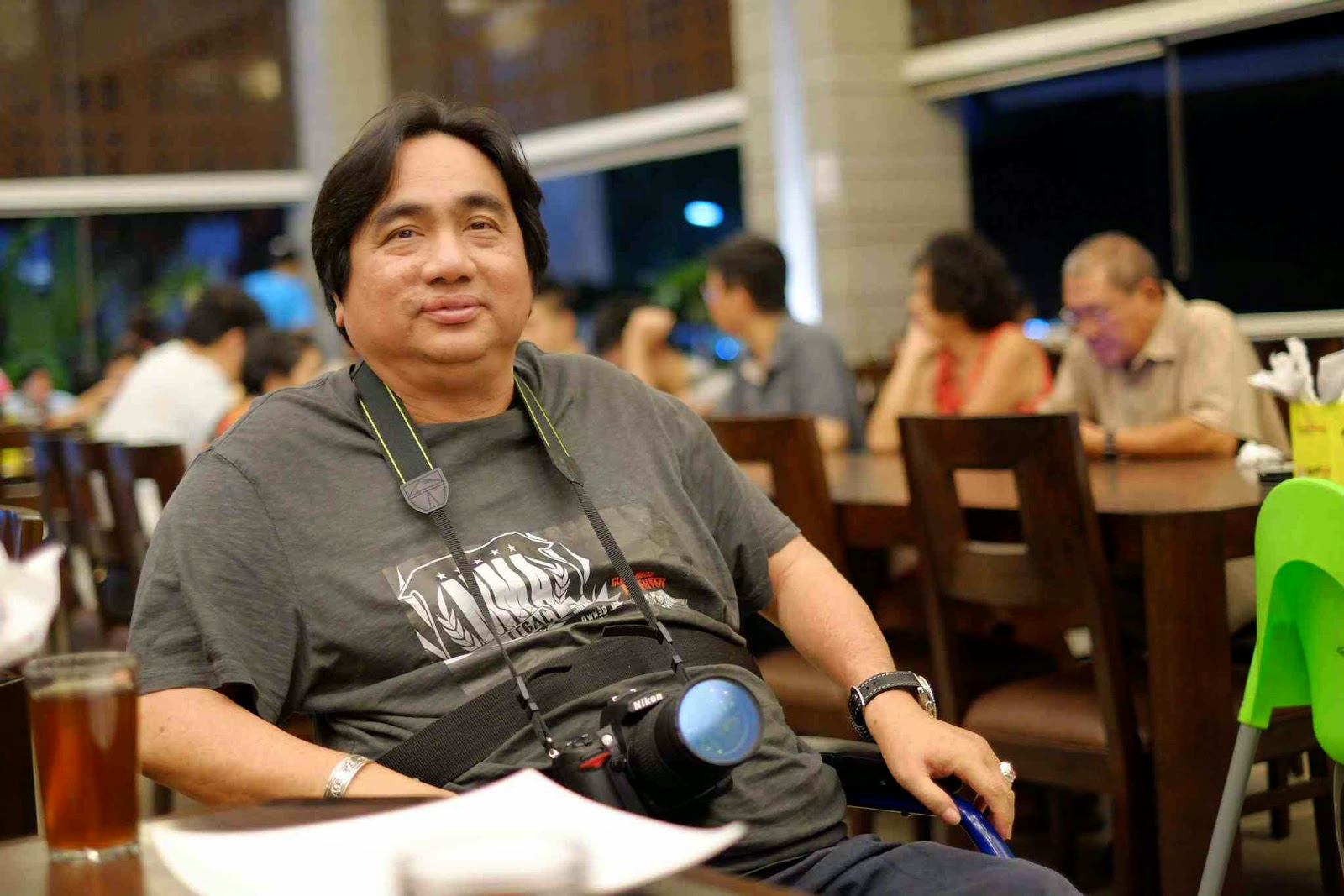
Irwanto, Ph.D.
Professor, Faculty of Psychology - Atma Jaya Catholic University
Co-director, Center on Child Protection - Faculty of Political and Social Sciences, University of Indonesia


Indonesia has made significant progress to implement the Convention on the Rights of the Child (CRC) in the past two decades but serious challenges remain. To understand what has been achieved and the remaining and emerging challenges, let us walk through the CRC’s history in Indonesia.

The UNCRC was ratified by the Republic of Indonesia on 5 September 1990. The ratification, however, was performed in an ad hoc and pragmatic manner to avoid difficult political hurdles in the House of Parliament Although unusual, the decision to ratify the Convention by a Presidential Decree (number 36, 1990) was accepted by the United Nations (UN)

Moreover, the ratification was performed under the condition that the CRC and its principles were consistent with the Constitution of the Republic of Indonesia from 1945 which meant ratification with a number of reservations. These reservations were subsequently withdrawn in 2005.

Thursday, 6 November 2014

“The bed net saves my life”

By Ermi Ndoen - Health (Malaria/EPID) Officer

 Sumba Island, Indonesia, October 2014 - Martinus Lende Walu (48) counts himself lucky. Once he could have died from malaria, like two of his neighbours, but he survived. Since then he decided to not take a chance and to stay safe with the help of an insecticide-treated bed net (ITN).

His village Langgar Kampong is one of the many remarkable “stone-age” villages on Sumba Island, in Indonesia’s East Nusa Tenggara (NTT) province. It is home to some 200 people who live in 13 big traditional houses that surround megalithic tombs, each tomb belonging to a group of families. 

Travellers are drawn to Sumba Island for the houses, the megalithic tombs, the hand-woven ikat fabric, the pasola or traditional spears and horse competitions, as well as its scenic sandy beach.  But all these are overshadowed by the island’s high malaria incidence.

Tuesday, 28 October 2014

A legal identity for all

Astrid Gonzaga Dionisio, Child Protection Specialist

Mamuju, Indonesia, October 2014 - It was a sunny day in Mamuju. From the window of my hotel room, I could see the island of Karampuang in South Sulawesi, our destination for the day. For the residents of Karampuang Island this was to be a big day: 84 couples, young and old alike, and more than 200 children were supposed to get their marriage and their birth officially registered.

Karampuang has a total population of about 3,300 people - children under 18 constitute more than 50 per cent. Many of them have no birth certificate because their parents are not legally married[1]. Most of the marriages on this island are only performed religiously and then go unregistered.Our journey to Karampuang started at 8 am from the port of Mamuju. Boarding a motor boat, it took us more than 20 minutes to reach the shore of Karampuang. With us on board were the Assistant to the Mayor of Mamuju, the Head of the Religious Court and eight other judges, the Head of the Education Office, the team from the Office of Religious Affairs, and from the Civil Registration Office.

From the shore, we could see the excitement of the crowd braving the hot sun. Most of the couples had put on their best clothes. I was struck by a grandma, more than 70 years old, who was holding a document to have their marriage registered. “Having my marriage legalized means that both my children and my grandchildren will be able to secure their legal identity,” she proudly explained.

Wednesday, 17 September 2014

Applying Positive Discipline and Creating Connections

By Dwi Utari Tamanbali, Child Protection Officer, UNICEF Papua Field Office

Tagime Village, Papua Province, September 2014 - It was a rainy afternoon when I arrived in Tagime village, Jayawijaya District, to meet with Frater Yakub Yikwa.

As I stand outside of fences that surround his large yard, I can hear laughing and cheering despite the noise of the rain. Inside I meet more than 30  potential village facilitators from Klasis Gereja Kemah Injil Indonesia (GKII) Tagime, a Christian Church, who have come together to be trained on the Creating Connection Module which aims to build a safe and strong community.

Monday, 1 September 2014

UNICEF Indonesia welcomes new Representative Gunilla Olsson


Gunilla Olsson, UNICEF Indonesia Representative
©UNICEF/2012
JAKARTA, 1st September 2014 – UNICEF Indonesia’s new Representative Gunilla Olsson has taken up her post in Jakarta today.

She has moved to the country from New York where she was UNICEF’s Director of Governance, UN and Multilateral Affairs for two years.

“It’s an exciting time to be taking on this role in Indonesia as the country welcomes a new government,” she said. “I’m looking forward to working with them on the next five-year plan for UNICEF’s involvement in Indonesia.”


Gunilla Olsson with staff at the UNICEF office in Jakarta
©UNICEF Inodnesia/2014/Razak

Ms. Olsson has a degree in Social Anthropology from the University of Stockholm and has worked with numerous international organisations in the past, including IFAD, ILO, FAO, GTZ, Sida and the Swedish Ministry of Foreign Affairs.

She is a national of Sweden and is married with two daughters.

Ms. Olsson replaces former Country Office Representative Angela Kearney who will become UNICEF’s Representative in Pakistan.